
- Meta finally addresses its VR layoffs
- The Reality Labs CTO also explains its new focus on glasses
- … and suggested its metaverse has a new home on mobile
Meta Reality Labs’ CTO Andrew Bosworth has spoken publicly about the recent major VR layoffs at the company, and it really does sound like Meta isn’t fussed about VR anymore – but its metaverse sounds like a top priority still.
While in Davos for the annual World Economic Forum, Axios interviewed Bosworth, and almost instantly the discussion homed in on the major restructuring we’ve all seen from Reality Labs, which caused the division to shut down multiple VR game studios.
Bosworth explained that Meta’s VR approach has been to build a space with something for everyone, but this “lack of focus comes at the expense of user experience and a great expense in terms of development cost.”

So Meta’s new plan is, as Bosworth puts it, “We’re going to let VR be what it is, what it does great. We’re going to focus a lot more on the third-party content library, the ecosystem that’s developed there.”
Meta Reality Labs’ CTO then goes on to argue that Reality Labs isn’t downsizing. Instead, that investment is being shifted to focus on its glasses – the area it is seeing the most growth. This is consistent with previous comments Meta has made about its ongoing approach to Reality Labs’ efforts.
Something familiar on the Horizon?
What’s interesting is a part of Bosworth’s answer I cut out above. After discussing Meta letting “VR be what it is, what it does great,” and how that means pushing third-party development, he then adds, “and with Horizon we’re focusing a lot more on mobile.”
Horizon is Meta’s metaverse, and while it was initially envisioned for VR, it is also accessible on PC and mobile.
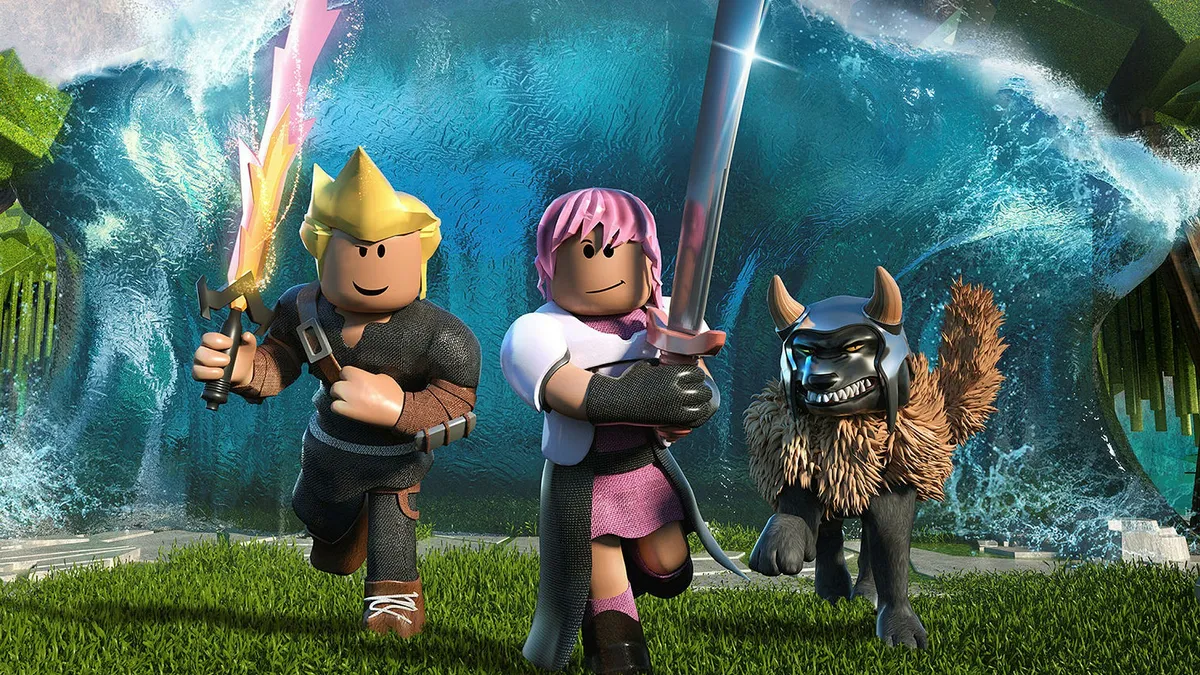
Interestingly, it also serves as Meta’s closest rival to one of its biggest social media rivals. I’m not talking about TikTok, I’m talking about Roblox.
Ask anyone under the age of 12 about this gaming platform, and you won’t be able to get a word in edgewise for about an hour. It’s this massive online gaming platform which, just like Horizon Worlds, offers a large amount of constantly evolving user-created spaces to explore and play in.
Both platforms have also, in recent years, seen a rise in sponsored and branded collaborations, as well as hosting major concerts and live events which take place in the virtual worlds.
To that end, they aren’t just games; they are a very interactive and adaptable form of social media that doesn’t simply chase fads – it spawns them. Though, as you might imagine, Roblox has a much bigger user base than Horizon based on available figures.
That said, with a shift to a more mobile-heavy focus as Bosworth discussed – the gaming platform most accessible to younger users who might not be trusted with a PC or VR headset – Meta is perhaps hoping to shorten the divide between it and Roblox.
Given the lackluster response to Horizon in VR, it’s yet to be seen if these efforts will prove more successful in the mobile sphere, but at least VR fans can appreciate the silver lining that Horizon might not be pushed so heavily in VR going forward – and an upcoming update looks to confirm just that.
Follow TechRadar on Google News and add us as a preferred source to get our expert news, reviews, and opinion in your feeds. Make sure to click the Follow button!
And of course you can also follow TechRadar on TikTok for news, reviews, unboxings in video form, and get regular updates from us on WhatsApp too.
https://cdn.mos.cms.futurecdn.net/KAw22gaqaEWgpy9K7VcLz9-2560-80.jpg
Source link
hamish.hector@futurenet.com (Hamish Hector)





