
[
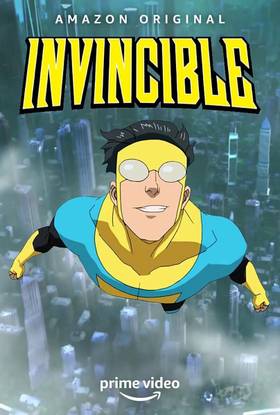
With Invincible, author Robert Kirkman created the greatest modern alternative to Marvel and DC superhero comics. And Kirkman’s attitude toward the big two publishers and how they tell superhero stories was a vital part of Invincible’s success.
Kirkman is also a legend outside the superhero genre, thanks to The Walking Dead. The zombie series, originally published in black-and-white, has been putting out a full-color reprint, The Walking Dead Deluxe, which includes commentary and notes from Kirkman. In the back matter of The Walking Dead Deluxe #127, the writer succinctly explained his main problem with Marvel and DC Comics.
“Marvel and DC’s mostly frozen in time characters never really appealed to me,” Kirkman wrote, echoing a common fan complaint about both publishers. Although some iconic comics writers have cited this as more of a feature, and less of a bug, it’s still a perennial criticism that DC Comics and Marvel Comics both have to face. And in this case, it’s coming from one of the most lauded indie comics creators of the 21st century.


Are superhero stories better when the story truly progresses, and the heroes actually evolve? When a character, or a comic series, is allowed to “change and grow over time,” as Robert Kirkman put it? The Invincible author and showrunner says yes, and the success of his own superhero franchise shows there is an audience appetite for it. But perhaps the better question is, can both ways of doing things coexist?
Robert Kirkman On His Dissatisfaction With “Frozen “Marvel and DC Superheroes

Anyone who has read Invincible, or watched the TV adaptation, knows Robert Kirkman put his money where his mouth is and delivered exactly what he wanted as a fan: a continuing superhero saga, in which he was successful at “slowly evolving characters over a long period of time,” which he cites as the “fun” of comic book storytelling for him.
Here’s Kirkman’s full quote, from The Walking Dead Deluxe #123:
I love writing continuing stories. The fun of it is slowly evolving characters over a long period of time. I LOVE comics, but Marvel and DC’s mostly frozen in time characters never really appealed to me. I guess that’s more of a Savage Dragon influence creeping into my work. Erik Larsen’s plan for that series was to do a continuing superhero series, but have it progress in real time. For most of the run, an issue would sort of represent a month in Dragon’s life. It was neat to watch the characters age and change and grow over time.
That makes sense. Robert Kirkman is the heir to the first generation of Image Comics writers, including Savage Dragon’s Erik Larson. Image started out as a rejection of mainstream comics, and the comic industry, which made it a perfect home for the innovative and iconoclastic Kirkman.

Kirkman has previously called Invincible’s ending the “ultimate way to play against type with a superhero,” as opposed to letting the series go on endlessly. Because that’s the crux of the issue. Successful superheroes never get an ending; instead, they’re often constantly reset, rebooted, and relaunched, trapped in a loop of endless beginnings.
Counterpoint To Robert Kirkman: “The More Things Change, The More They Stay The Same” Is Part Of Superhero Storytelling
As far back as the early 1980s, noted Marvel writer Gerry Conway (infamous for killing off Gwen Stacy, which he later called a mistake) said that putting superhero characters through “real change” wasn’t healthy for the genre. In other words, the opposite of Robert Kirkman’s position.
And modern Marvel Comics readers will know that the company has been experimenting with the kind of “real time” storytelling Kirkman cited as a virtue of Savage Dragon. (In their alternate Ultimate continuity, but still.) That in itself is an acknowledgment of the concern readers have expressed for decades, which Kirkman shares, that the superhero genre’s greatest characters exist in a state of arrested development. Whether that’s an advantage or disadvantage really depends on the creator, and the character.
So, it’s a “mileage may vary” sort of thing. On the one hand, what would heroes like Spider-Man or Batman be like today if they were allowed to evolve naturally? If they aged naturally, they’d be retired by now, at the very least. If characters died and stayed dead, no classic Marvel or DC characters would still be around.
But at the same time, there’s something about the stasis these heroes wind up in that nags at readers like Robert Kirkman. Which is why alternatives like Invincible have carved out their own niche for themselves in 2026. And why the next generation of superhero comics, like the currently ongoing Power Fantasy, will look more like Kirkman’s vision than their big industry predecessors.
The Walking Dead Deluxe #137 is available now from Image Comics.
Which side are you on, superhero fans? Do you want continuing, evolving stories? Or do you get why DC and Marvel heroes are constantly being reset?
- Video Game(s)
-
Invincible: Guarding the Globe
- Character(s)
-
Invincible, Debbie Grayson, Atom Eve, William Clockwell, Omni-Man
https://static0.srcdn.com/wordpress/wp-content/uploads/2026/04/tyjuzux2gm7parhkx3sc3i.jpg?w=1600&h=900&fit=crop
https://screenrant.com/invincible-creator-marvel-dc-criticism/
Ambrose Tardive
Almontather Rassoul




