
[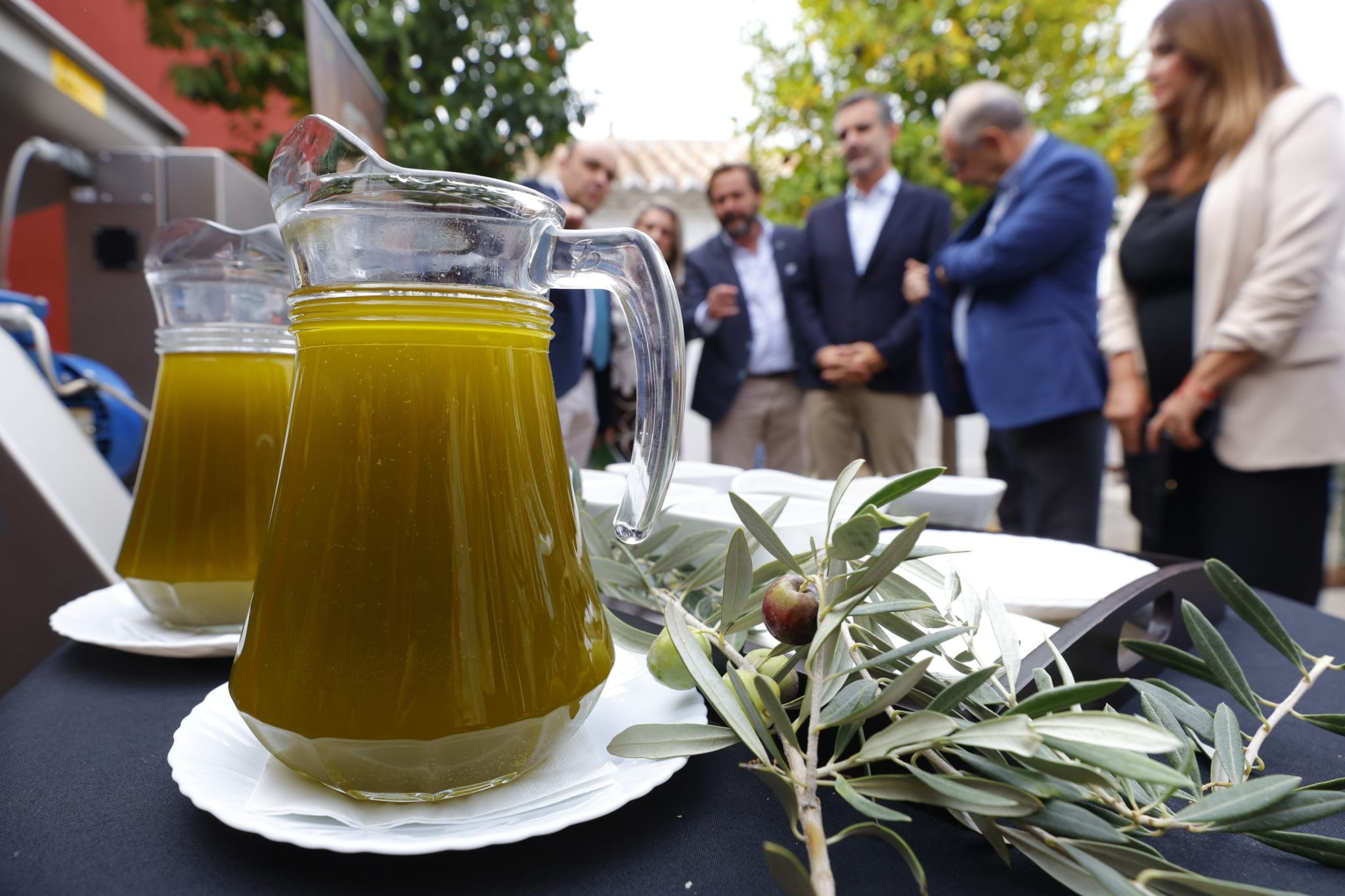
A bumper harvest of olives threatens to jolt the olive oil market, prompting the world’s top producer to suppress supplies for the first time ever.
On Friday, Spain’s agriculture ministry ordered farmers to hold back 12% of their production until the end of September 2027, requiring them to store supplies on their farms or at third-party facilities.
“The measure aims to ensure farmers’ profitability and also to protect the interests of olive oil buyers,” it said, according to the Financial Times, adding that “greater stability to the market” will benefit producers and consumers.
While the move is unprecedented, the European Union allows olive oil supplies to be held back, unless it leads to excessive market distortion.
The current harvest season for so-called “liquid gold” began in September, and favorable weather this past spring promises to reverse years of drought and heat that kept olive production low.
This season, Spanish olive oil production is projected to jump 23% to 1.6 millions tons, marking the fourth-largest harvest ever. The agriculture ministry seeks to keep 188,000 tons off the market.
But expectations for more supply have already sent olive oil prices down. At mills in Andalusia, they averaged 2.93 euros per kilogram last weekend, down about 15% in about two months.
The olive oil industry has pushed back against the government’s attempt to prop up prices, pointing out the market is global while the order only applies to Spanish producers.
Kyle Holland, senior analyst at commodity data firm Expana, also noted that olive oil degrades over time, telling that FT that after several months in storage ”very quickly that olive oil is not going to be extra virgin anymore.”
He added that top olive oil buyers already have hefty supplies, so ordering farmers to store away some production would have little immediate impact on prices.
Spain isn’t the only country dealing with wild swings in key commodities.
The Quebec Maple Syrup Producers, which oversees Canada’s strategic syrup reserve, recently warned the stockpile will be completely empty by February.
While new supplies will continue to be produced, the reserve won’t be able to help ease any wobbles in output, which depends heavily on the weather and can be volatile.
Demand has increased in recent years as producers have diversified to more market beyond the U.S., but last year saw an especially big spike after President Donald Trump launched his global trade war.
To get ahead of anticipated tariffs, Americans rushed to buy up Canadian syrup supplies. As a result, total syrup exports jumped nearly 16% last year, up from 9% growth in 2024.
Meanwhile, the Iran war has forced oil-consuming countries around the world to drain crude stockpiles. In the U.S., the Strategic Petroleum Reserve has fallen to the lowest level since 1982.
Elsewhere, Japan has a rice reserve that had to be drawn down last year as prices soared amid bad weather and looming threats from natural disasters that sparked panic buying. But this year, Japan has already swung to a record surplus.
And China tapped its strategic pork reserve in 2019 after an outbreak of swine fever sent prices higher. But this year, prices have slumped as the anemic consumer economy has weighed on demand while the government’s prior encouragement to boost production has now resulted in oversupply.
Pork prices have plunged 39% over the last four years. To help prop up the market, China has repeatedly purchased pork for the strategic reserve.
https://fortune.com/img-assets/wp-content/uploads/2026/11/GettyImages-2242356496-e1794094664593.jpg?resize=1200,600
https://fortune.com/2026/11/07/olive-oil-supplies-prices-liquid-gold-spain-production-harvest-season/
Jason Ma





