
I’ll say it with my whole chest; the iPhone SE (2016) was the ultimate iPhone. Not only did it address genuine customer feedback about the never-ending embiggening of smartphones, but it crammed a whole load of (at the time, at least) innovative tech into an affordable, easily pocketed form factor.
My colleague Jamie recently wrote about the phones we were all using back in 2016, and like a shot to the heart, I remembered my dearly beloved iPhone SE.
To this day, I remember it as one of the best phones I’ve ever owned. It had ample functionality, fit neatly into every pocket and bag I owned, and didn’t cause the hand cramp I now curse Apple for after using the iPhone 15 for the last two years.
That’s all fine and dandy, but the iPhone SE also represents one of the worst ways Apple has impacted the phone market – and indeed my life.
Jacked up

That’s right, we’re talking headphone jacks.
The iPhone SE was the last iPhone to release with a headphone jack before Apple made the controversial decision to move to a proprietary single-port system, the Lightning cable. Yes, I’m still rather upset about it.
I’m not an audio snob, nor am I as experienced as our fantastic team of AV experts here on TechRadar, but I do prize accessibility and affordability; this move was detrimental for both.
Not only did Apple limit its customers’ options for headphones by switching to the Lightning port, but it also made it significantly more difficult to do so affordably. Many customers opted for even pricier wireless headphones and earbuds instead of paying a premium for a Lightning-compatible pair that they could only use with their iPhone.
That wasn’t a solution for everyone, however; deaf, hard-of-hearing, and other iPhone users with assistive audio equipment rallied against Apple’s decision to remove the headphone jack. Especially at the time, issues with Bluetooth connectivity, latency, and battery made the change an accessibility challenge these users didn’t need.
Suddenly, everyone was furiously researching DACs and adapters to make their existing hardware work in harmony, and the days of hopping to your local convenience store and grabbing a new pair of headphones when you inevitably tangled yours past the point of no return were over.
Ripples in the water
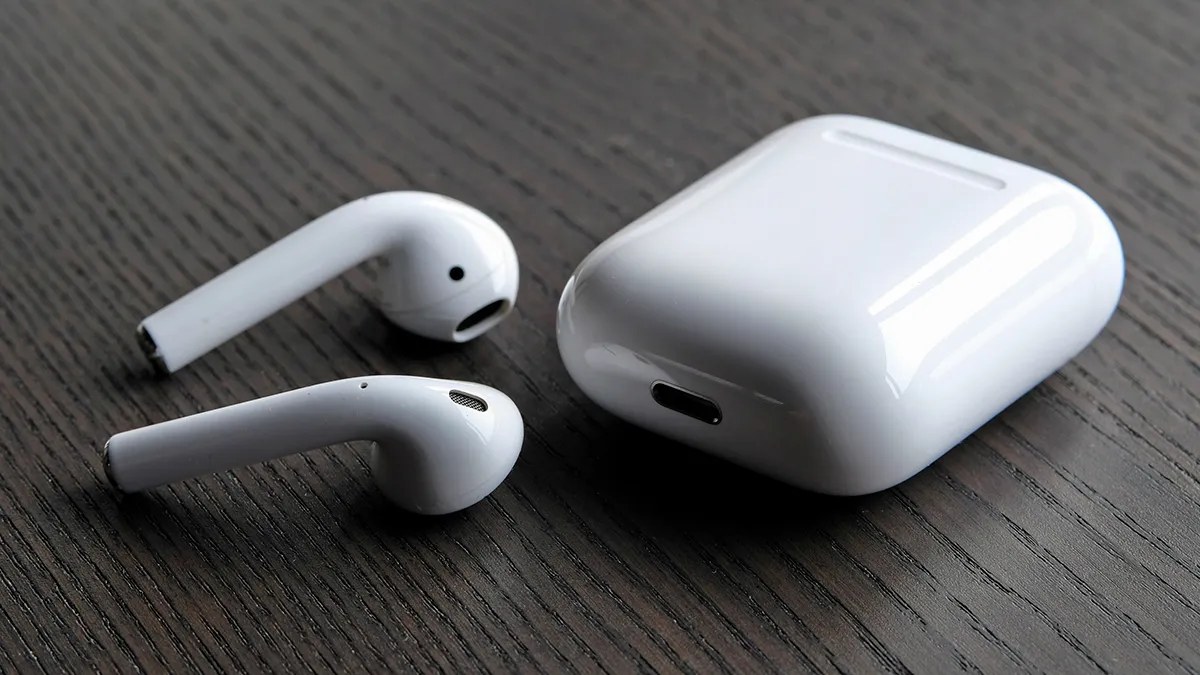
Just in time for the release of its own wireless earbuds, the original AirPods, Apple had effectively transformed the tangle-free technology into a necessity for music lovers.
The wider effects weren’t immediate; in fact, Samsung initially poked fun at Apple for the decision, but it later followed suit, starting in 2019 with the removal of 3.5mm jacks from its Galaxy Note series and later in its S series smartphones.
Now, however, greater impacts have become apparent. With proper care, wired headphones can go the distance and last for years (I still have my SkullCandy headphones from 2013, and they work beautifully), while the lithium-ion batteries used in wireless headphones will invariably die out after a few years of use. Not to mention the faff (and waste) created by losing one of your earbuds.
Plus, the batteries of these oft-sealed earbuds aren’t replaceable, meaning it’s a new pair or nothing; and if you’ve owned some of the best wireless earbuds you know that’s no small fee. Never mind the obvious impact all this has on the environment.
We’re scarcely two years into Apple’s changeover to USB-C, which, while a darn sight better than the Lightning cable, still doesn’t scratch my itch. Sure, phone batteries last well into the day now, and wireless charging exists to keep your phone powered if you do want to use wired headphones. However, it remains challenging to walk into your local audio or gadget store, grab a good pair of wired headphones for less than $20/£20 and bounce; now you have to consider not just the speaker quality, but also the DAC, which moved to being a headphone problem when 3.5mm jacks phased out.
Then, just as the light at the end of the tunnel manifested before us with the arrival of Apple’s USB-C headphones, disaster struck once again. As chronicled by our audio expert, Becky Scarrott, the latest wired headphones from Apple don’t live up even to their Lightning port predecessors. It wasn’t all bad; USB-C is a noteworthy improvement to Lightning in terms of hi-res audio accessibility, so the option to use other available wires USB cables is back on the table.
Of course, a brief review of the history of the headphone jack will remind you it wasn’t all roses; the headphone jack was surprisingly breakable with frequent use, and an extra port gave extra avenues for water to damage your phone. We also were able to build increasingly slim phones off the back of it, so if you love that particular trend (I don’t), then I’m pleased it worked out for you, at least.
Alas, the saga continues, and so it will until people are either unanimously sick of losing a single earbud and yearn for the wires or a new technology emerges that’s less dependent on Bluetooth and batteries. I, for one, loved my iPhone SE, and loved the freedom of choice that came with it; 2016 was indeed a simpler time.
Follow TechRadar on Google News and add us as a preferred source to get our expert news, reviews, and opinion in your feeds. Make sure to click the Follow button!
And of course you can also follow TechRadar on YouTube and TikTok for news, reviews, unboxings in video form, and get regular updates from us on WhatsApp too.
https://cdn.mos.cms.futurecdn.net/w8SgVZWr2NktCCzRhZDdXX-1920-80.png
Source link
josephine.watson@futurenet.com (Josephine Watson)





