
With Australia’s landmark social media restrictions set to come into force in just two days, global policymakers are closely watching Australia.
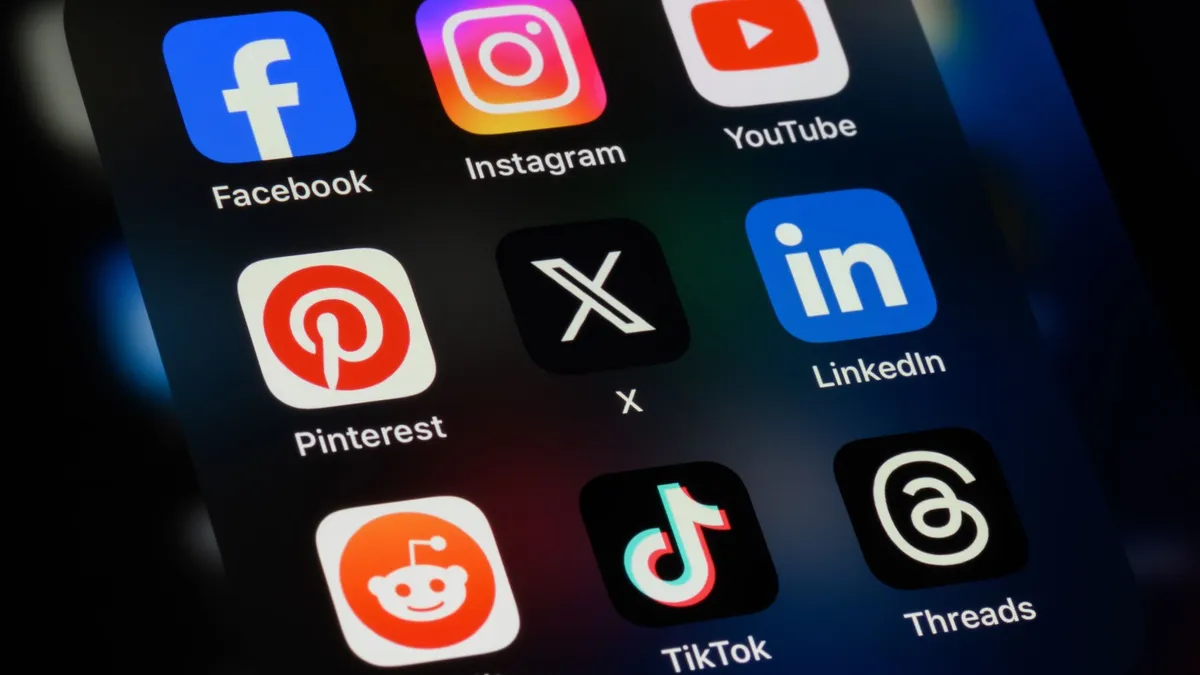
Starting from December 10, the likes of Instagram, Facebook, Snapchat, TikTok, YouTube, and others will be required to take “reasonable steps” to prevent under-16s from using their platforms. Fines for failing to do so can reach $49.5 million AUD (approximately $32 million USD).
The UK could replicate it “if it it is successful”
The government said it wanted to make the UK “the safest place in the world to be online,” when it passed the Online Safety Act back in 2023 and banning under-16s from social media platforms may be the next natural development.
Talking to PoliticsHome, the chair of the Children’s Online Safety All-Party Parliamentary Group (APPG), Joani Reid, praised Australia’s upcoming rules and said that the UK might look to replicate “if it is successful and implemented well.”
“We’re all going to be watching really, really closely… Good on Australia, it sends a really clear message, more than anything, that social media is inappropriate for children,” she said, echoing similar stances previously expressed by other MPs.
A US State-by-state regime – for now
Around half of all US states have now implemented some form of age verification following the introduction of Missouri’s restrictions on adult websites at the end of November. And federal legislation may soon follow, with Congress considering a range of proposals, including controversial rules for App Store age verification.
Currently, the main federal safeguard is still the Children’s Online Privacy Protection Act (COPPA), which prevents companies from collecting data from users under 13 without parental consent.
Several states have enforced stricter social media laws, most notably Mississippi, where Bluesky withdrew from the market rather than comply. Recent allegations that Meta concealed potential child harm are likely to intensify calls for reform, with Australia’s new law expected to serve as a key reference point in upcoming debates.
EU already considering an Australia-like ban
The EU has moved beyond just watching Australia’s ban; it’s laying the groundwork for its own. On November 26, 2025, the European Parliament voted in favor of banning children under 16 from accessing social media platforms (483 votes to 92).
Led by Danish Social Democrat Christel Schaldemose, the resolution calls on the European Commission to remedy Europe’s “fragmented approach to age assurance” by establishing consistent verification standards across the bloc.
On a national level, France, Spain, Germany, and Denmark are already considering new rules for children using social media apps, though most of these proposals still rely heavily on parental consent rather than a hard ban.
Malaysia wants an under-16 ban in 2026
Finally, Malaysia has confirmed its plans to ban social media for users under 16 starting in 2026, according to recent reports from Al Jazeera.
Communications Minister Fahmi Fadzil confirmed the government is currently reviewing the verification systems used by Australia and other nations with the aim of establishing a compliance framework “by next year.”
While this specific ban is in its early stages, it aligns with the country’s ongoing commitment to address social media harms. Platforms have already faced increased regulation and services with over 8 million users must now hold a valid license to operate.
What’s next?
While it’s too early to determine if Australia’s under-16s social media ban is the correct approach, the legislation has definitely caught the attention of global policymakers and is likely to provoke a wave of new laws globally.
According to the government, that’s exactly what it was hoping for. “When you’ve got Australia, a middle power taking on these global giants … it has helped that we have others in our corner now,” Prime Minister Anthony Albanese said, defending his decision to authorize a reported $100,000 trip to New York City for Minister Anika Wells. The delegation’s goal was to promote Australia’s social media ban directly to global leaders at the UN General Assembly.
However, industry experts remain divided on the potential outcomes of permanently barring children from social media apps. Meanwhile, privacy advocates have repeatedly expressed concerns over the increased data collection required for age assurance.
These tensions between policymakers and global privacy advocates are expected to continue as Australia and other countries impose similar bans. For now, it’s uncertain whether such measures can be implemented while preserving privacy, or if they are destined to spread globally regardless of those concerns.
We test and review VPN services in the context of legal recreational uses. For example: 1. Accessing a service from another country (subject to the terms and conditions of that service). 2. Protecting your online security and strengthening your online privacy when abroad. We do not support or condone using a VPN service to break the law or conduct illegal activities. Consuming pirated content that is paid-for is neither endorsed nor approved by Future Publishing.
Follow TechRadar on Google News and add us as a preferred source to get our expert news, reviews, and opinion in your feeds. Make sure to click the Follow button!
https://cdn.mos.cms.futurecdn.net/CosFAZNUeJf6NkhNSewdoY-2560-80.png
Source link
chiara.castro@futurenet.com (Chiara Castro)




