
[
U.S. importers could be one step closer to automatically receiving all of the $166 billion in tariff refunds following the Supreme Court’s ruling against the levies imposed under the International Emergency Economic Powers Act (IEEPA).
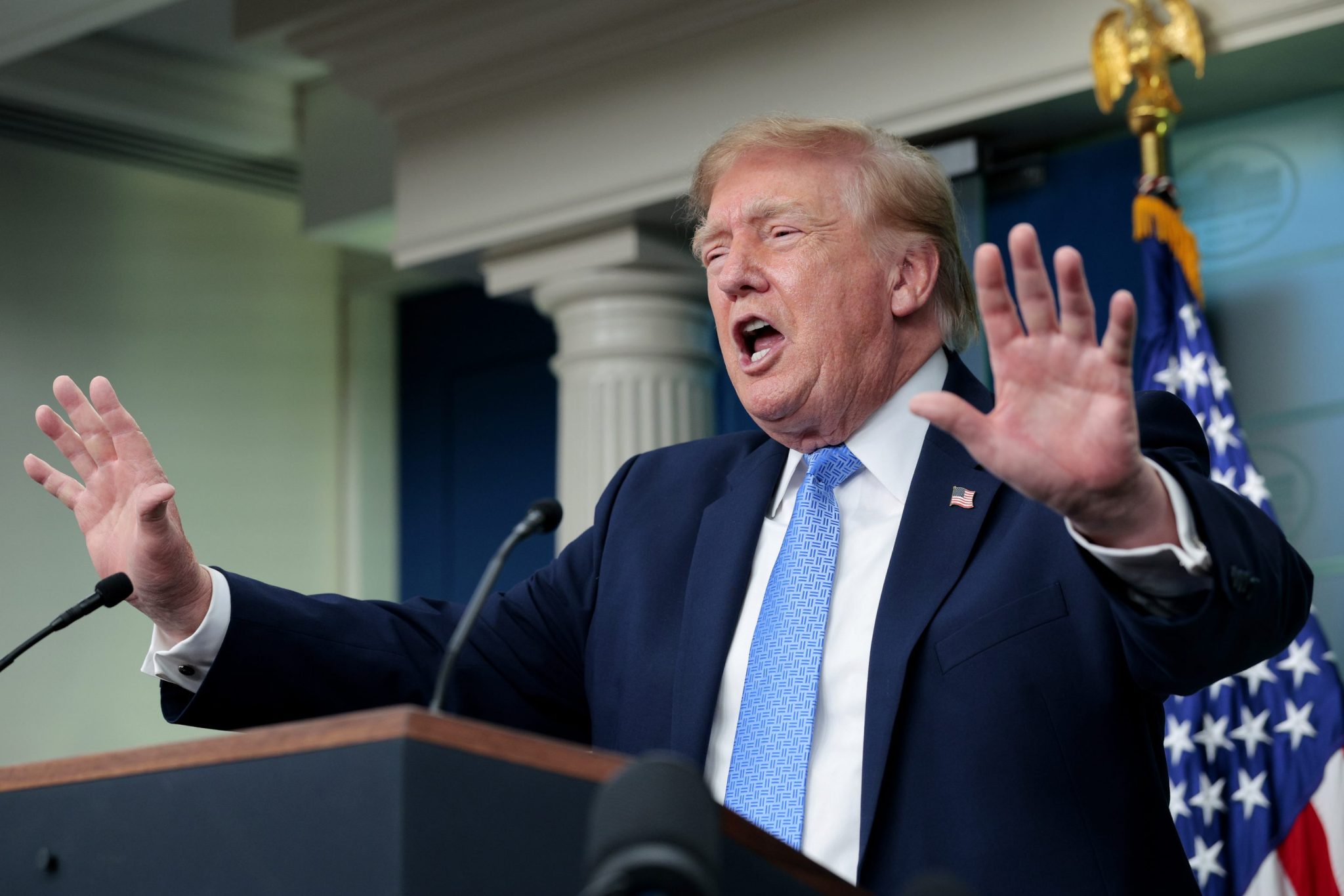
Class counsel in a tariff refund class action against the Trump administration filed a motion in the U.S. Court of International Trade to enter a relief order on Tuesday, which would return money collected from the tariffs to the more than 330,000 importers of record, whether or not they filed an individual lawsuit against the administration. The Trump administration is fighting for only importers who sued for the refunds to receive them.
“The proposed order would give the agency the authority it says it needs to provide full refunds with interest to all class members, including the tens of thousands of small businesses who lack the resources to bring their own cases,” class counsel co-leads Lawrence Friedman, partner at Barnes, Richardson & Colburn; and Elizabeth Cabraser and Nicholas Diamand, partners at Lieff Cabraser Heimann & Bernstein; told Fortune in a statement. “We will continue working closely with the Court and the government to make sure all importers who paid these unlawful tariffs receive the refunds they are owed as quickly as possible.”
Tariffs became a flashpoint in the ongoing affordability crisis, which cost Republicans in the midterm elections, and refunds would not only relieve financial pressures on companies that have raised prices to offset inflation from the import taxes and the Iran war, but also increase the likelihood of American consumers seeing their own refunds in the form of payments from companies.
The Supreme Court’s February ruling that tariffs imposed under IEEPA exceeded the president’s powers, paved the way for hundreds of billions of dollars in tariff refunds to U.S. importers who footed the bill for the levies. While more than $115 billion have been disbursed back to American companies as of August through Customs and Border Protection’s Consolidated Administration and Processing of Entries (CAPE) system, thousands of importers—such as small businesses and individuals who purchased tariffed items online—have yet to receive their money back. They’ve encountered technical errors in their CAPE submissions, lack the legal resources of larger importers and did not submit appropriate paperwork, or went through a larger third-party importer of record.
This class action, Freestyle World, Inc. v. United States, aims to open up a pathway for these importers to receive tariff refunds without having to file individual lawsuits, which thousands of companies have already done. The case is being heard in the U.S. Court of International Trade and was certified as a class action on Oct. 8.
The Department of Justice, representing the government as the defendant, will have until Nov. 13 to file its answer to the initial complaint and until Dec. 9 respond to the motion for relief.
The DOJ did not immediately respond to Fortune’s request for comment.
The Trump administration pushes back
U.S. Court of International Trade Judge Richard Eaton, who is presiding over all tariff refund cases, has demonstrated repeated support for universal rebates, ruling in March that all importers who paid IEEPA tariffs were entitled to refunds, issuing a universal refund order the next month. Because he is the only judge hearing tariff refund cases, Eaton signalled that he would continue to rule the same way in each case.
The Trump administration, however, has disputed the universal refund order, appealing it in June on the grounds that Eaton exceeded his authority in issuing the universal refund order, and that the government cannot give out refunds to importers unless they have sued to recover the money they lost in tariffs.
“CBP has no authority to reliquidate or refund money without a court order,” the Justice Department said in the filing.
President Donald Trump has historically taken legal action against universal injunctions, like last June, when the Trump administration won a legal battle to narrow a universal injunction order that initially blocked Trump’s executive order to limit birthright citizenship. The Supreme Court instead required future court orders pertaining to birthright citizenship to apply only to a plaintiff of a specific lawsuit.
Eaton has previously argued the Supreme Court’s limitations on universal injunctions do not apply to the Court of International Trade because the court has exclusive subject-matter jurisdiction over trade issues and does not operate like a typical district court.
How the 2026 midterms may change the tariff refund landscape
While the Trump administration’s tariff refund limitations are being battled in court, newly emboldened Democratic legislators may now have more leverage pressuring CBP to disperse. Sen. Elizabeth Warren (D-Mass.) wrote a letter to CBP in June asking the agency to hasten the rate at which it processed refunds, and recent midterm victories could pressure the agency to respond to pressure.
“After the Supreme Court ruled President Trump’s tariffs were illegal, the Administration should have done everything in its power to quickly return that money to the Americans who paid it,” Warren wrote. “Instead, it has slow-walked the refund process while searching for new ways to keep money that never belonged to the government in the first place.”
Democrats have also signalled they plan to prevent the passage of new tariffs through legislative repeal of specific levies, beginning with Canada. Sen. Ron Wyden (D-Ore.), who is likely to take over as head of the Senate Finance Committee, is leading the charge.
“Every day Trump insists on his indiscriminate taxes on so many of the products Americans need, he digs a deeper hole for Republicans enabling his tariff spree,” Wyden told CNBC following the election.
https://fortune.com/img-assets/wp-content/uploads/2026/11/GettyImages-2304343966-e1794429799379.jpg?resize=1200,600
https://fortune.com/2026/11/12/tariff-refund-class-action-lawsuit-universal-tariff-refunds-trump-administration/
Sasha Rogelberg





