
[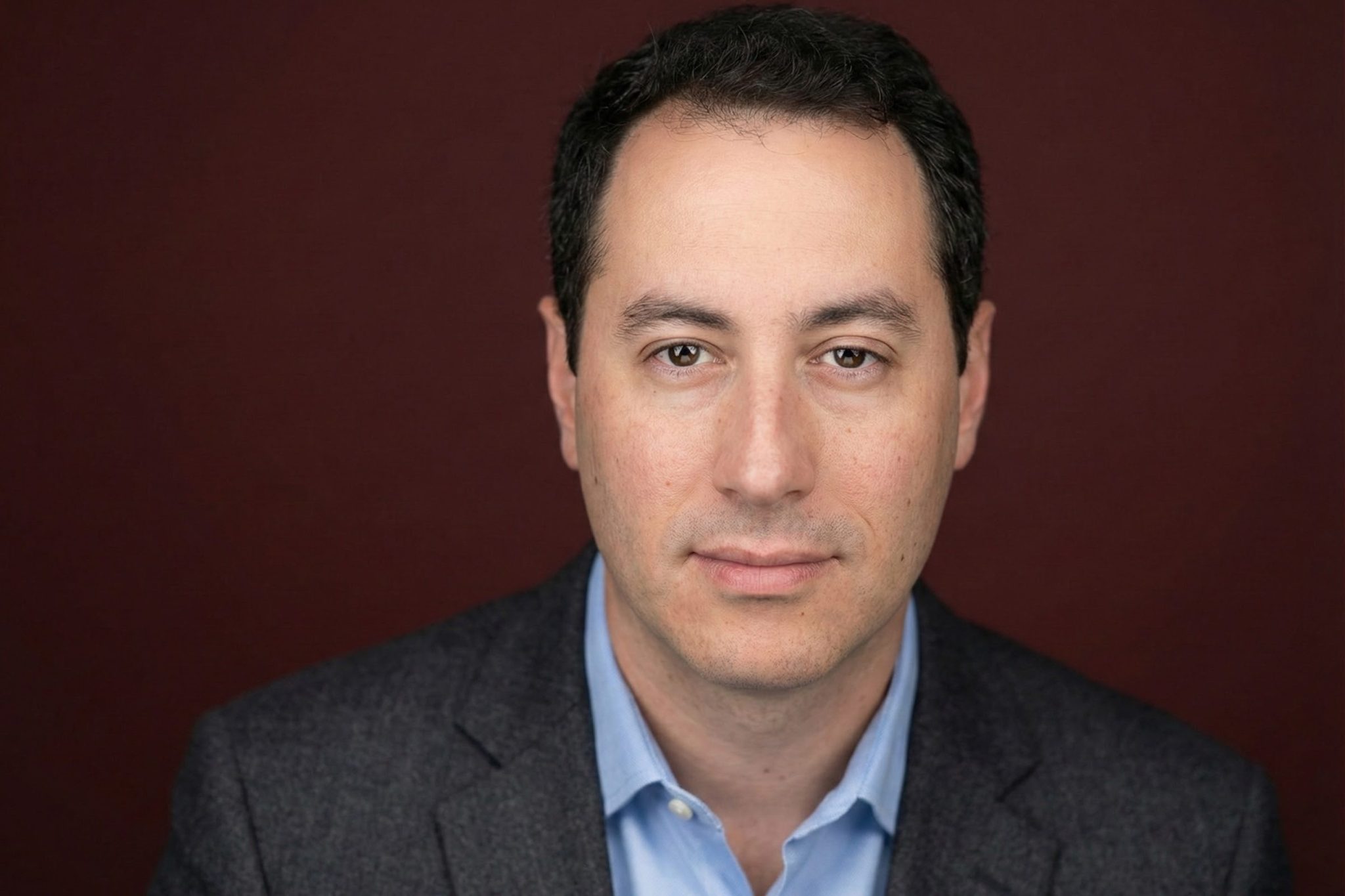
As investors race to identify the next big winners in the AI boom, standing out requires more than just spotting the next breakthrough. Michael Buckley, managing director and head of equities at investment firm Duquesne Family Office, says young investors often overlook the fundamentals of corporate finance. In the age of AI, that could give them an edge.
Buckley has built a diverse investing résumé. He’s worked across private equity, venture capital, and public equities—and his early days in debt and credit helped set him apart. Right after graduating from Harvard, Buckley learned the ropes of accounting and corporate finance at Sankaty Advisors, the now-renamed credit arm of private equity giant Bain Capital. With credit as the focus, Buckley poured himself into capital and corporate structures, as well as bonds and loans. His responsibilities unwittingly set him up to be recruited for one of America’s top private investment firms.
“I learned the importance of things like capital structure and debt, which I think a lot of people—for example, that start out their career in things like equities—oftentimes will skip that stuff over,” Buckley tells Fortune. “It’s because it’s tedious and it can be complicated,” he added.
Early-career analysts who have their heads buried in stock charts, earnings growth, and revenue projections could get a leg-up by returning to those basics. There’s a simple reason: The AI boom hinges on debt. Buckley explains that in this new ecosystem, debt is suddenly very important not only to distressed debt companies, but also to public markets and venture firms. As AI companies and their infrastructure partners take on more borrowing to finance data centers, chips, and computing capacity, investors need to assess how quickly a business might grow—and whether they can afford to pay back what they owe. It particularly stands out for those involved in data centers or funding next-generation labs, Buckley adds; tech hyperscalers issued more than $100 billion in corporate bonds last year, according to the Bank for International Settlements.
Buckley recognizes that doors opened thanks to his debt and credit expertise. During his two-year stint as an analyst at private equity firm CPMG, a headhunter came calling; Duquesne was looking to hire a credit and equities wiz to work under the family office’s founder and leader, legendary macro investor Stanley Druckenmiller, whose claim to fame was helping George Soros make $1 billion betting against the British pound in 1992. He joined as an analyst at 27.
Today, at Duquesne, he’s steering some of the firm’s biggest wins. Over the past 11 years he’s leaned into investments in AI, as well as healthcare and biotech—which he believes will vastly innovate over the next decade. Recently, Buckley says the firm backed pharma company Formation Bio. As a self-proclaimed “non-dogmatic” investor, he’s continuing to keep his horizons open, a philosophy shared by Druckenmiller: Keeping a broad perspective on the market—and a set of skills to meet the moment—could mean the difference between spotting an opportunity or missing it entirely.
“Now, we’re seeing that in the AI venture world, these concerns about credit and interest rates suddenly have this big impact on AI infrastructure, private companies, and the venture community,” Buckley says. “I think it’s something I’ve learned from Stan, to always be thinking about the top-down and the bottom-up.”
https://fortune.com/img-assets/wp-content/uploads/2026/11/Michael-Buckley-Headshot-copy-e1794427703846.jpeg?resize=1200,600
https://fortune.com/2026/11/13/dusquesne-michael-buckley-young-investors-skip-learning-these-critical-skills-invaluable-in-ai-boom/
Emma Burleigh





