
[
Imagine a front desk coordinator who builds her ideal check-in software in an afternoon, shaped exactly to how her company welcomes people. After greeting hundreds of visitors, she knows the flow better than anyone: where guests get stuck, what hosts need to know, and which steps exist only because the old system required them.
She can picture a better experience. In the past, getting there meant comparing a dozen visitor-management vendors, picking the closest fit, and bending her process to what the software could do. Today, she can use AI to create a working first version in an hour, show it to colleagues for feedback, and keep improving it based on what guests tell her.
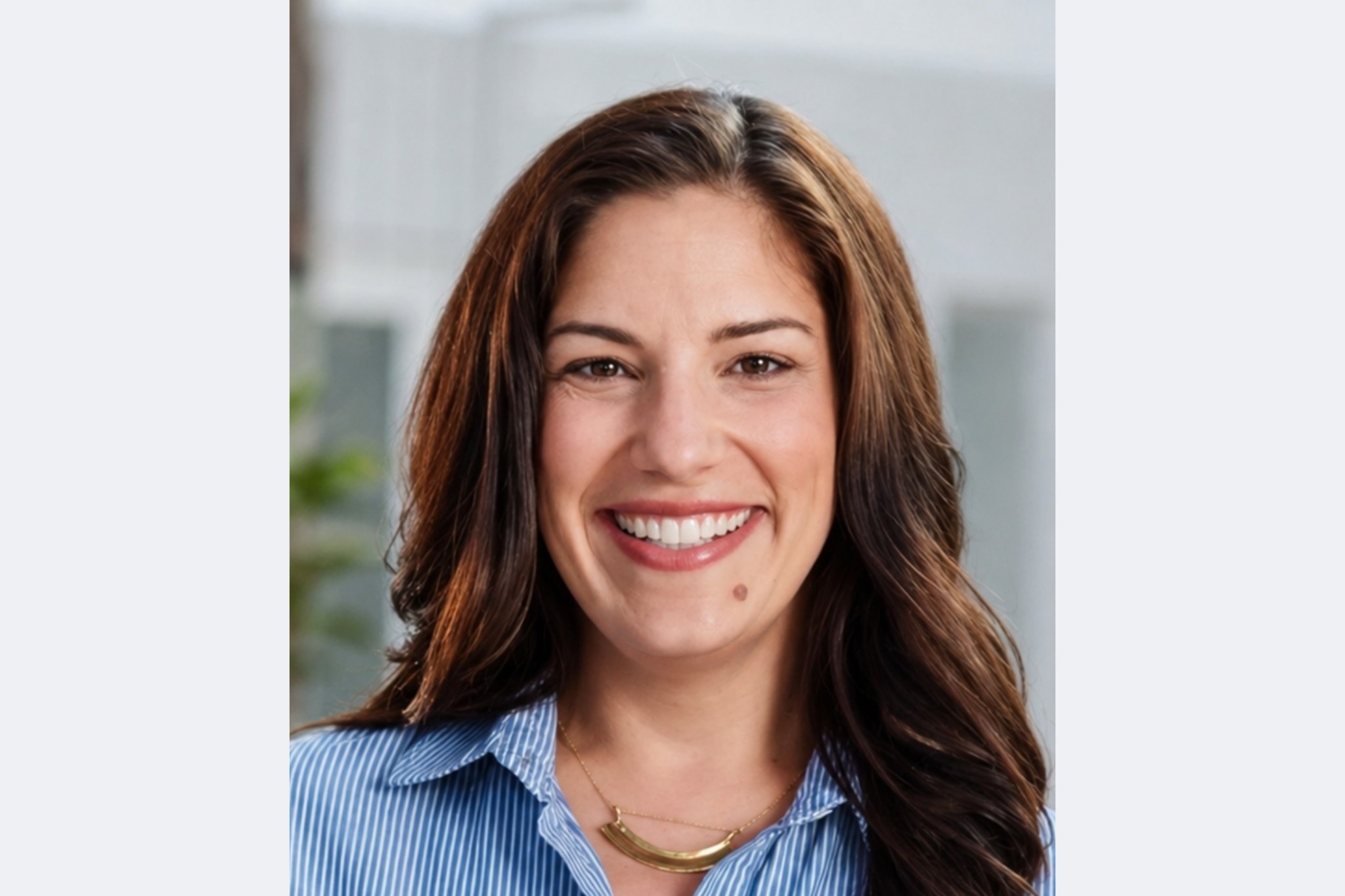
As the chief people officer at Lovable, I don’t have to imagine this at all. Our front desk coordinator built our visitor check-in system after understanding what the old process lacked. The system she created from scratch checks guests in, alerts their hosts in Slack, handles signed NDAs, and syncs with the calendar for expected visitors. It also counts how many guests are coming in, so we can see a busy lunchtime ahead and order enough food in advance instead of scrambling on the day. And when our needs change, she updates it in seconds with a single prompt.
To me, this is a glimpse into a very exciting future for work, one where talent is unlocked to do their best and most meaningful work. A résumé tells you where someone has been, but rarely their curiosity, their judgment, or their eye for what’s broken. Now those qualities can show up as something real. That’s what happens when the person closest to a problem has the room to act.
And yet, new data* from Lovable shows more than 2 in 3 (68%) business owners and senior leaders say a good idea at their company has been dropped or never built because no one with the right skills, time, or budget was available.
Leaders have the power to change that. You decide whom to hire, how to empower them, and what conditions to create so they can question how things are done. Lovable turns two today, meaning two years of building a company on the belief that anyone with a good idea should get the chance to act on it. Here are three things I’d encourage leaders of tomorrow to do to meet this moment, along with some mistakes we made along the way so you can avoid them.
Hire for craftsmanship
If you want people to take ownership, look for evidence that they care deeply. The curiosity, judgment and taste to shape something genuinely useful.
In an interview, don’t over-index on whether a candidate knows every tool on the market or has built a zillion agents. Early on at Lovable, we quickly saw that skill with the tools, on its own, told us very little about who would build something useful. That lesson changed how we hire. Now, we look for relentless curiosity and expert judgment in the candidate’s field. A strong finance operator understands the exceptions that complicate a purchasing decision. An experienced recruiter knows where a hiring process loses good candidates. Candidates can pick up new tools. What they bring from their field is harder to teach.
Craft grows by doing real work, so give people a real problem as early as you can. Start before day one: new hires get Lovable credits and a short starter brief ahead of time, so they arrive already using the product. A slow ramp can feel like a time-out for someone who’s eager to contribute. On their first day, every new employee spends two hours building something real alongside an experienced colleague. They turn an idea into something that works, share it with their cohort, and get feedback before the day is over. The experience gives them confidence to try the next thing and shows them how work gets done here. About 90% of our new hires ship a first contribution in their first week.
That’s a practical leadership choice that we carry through every day after. Across every function, managers give new direct reports meaningful problems to tackle and agree on which decisions they can make themselves and where they’ll need support. Trust people with meaningful responsibility early, and you’ll be surprised by what comes back.
Let the people closest to the problem build the solution
Leaders too often fall into the trap of being the bottleneck. Not for the decisions that truly need you, but for the improvements that don’t. A team lead wants a better way to track performance of a campaign. Someone wants to automate a weekly report. Someone else wants to retire a legacy tool that no longer fits how their team works. Each request lands on your desk for a sensible reason. Along the way, you become a gatekeeper for your people to improve work they understand well.
Your new task is to champion and unblock the people closest to the problem. Look for the first movers, your ““intrapreneurs:” people who think like founders without the title and who see a gap and close it themselves. Not everyone needs to be a world-class builder, but most teams have at least one if you look closely. Give this person time to build and space to get it wrong.
Guardrails make that freedom possible. The worry I hear most from leaders is what happens to our data, and who’s responsible when something breaks. The companies doing this well don’t answer it by saying no. They change IT’s job. At Pendo, a software company that helps product teams improve the products their customers use, the data and engineering team builds a secure foundation connected to the company’s data, and frontline leaders shape the last 20% to fit how they work. Nearly 300 employees there built over 1,400 apps in under five months, with the data team keeping full governance. Decide who controls data access before anyone builds, give every tool a named owner and a plan for maintenance or retirement, and build on what already works so you don’t end up with forty versions of the same spreadsheet app.
The results can be large. At Nursa, a workforce management solution for healthcare, one VP built an entirely new business line in mere days, and it set the tone for a new way of working. From there, the CEO encouraged all 200-plus employees to build. One credentialing specialist made a verification tool the company estimates would once have taken six months and half a million dollars.
The same is true on my own People team. Headcount planning used to live in separate spreadsheets across finance, recruiting, and department heads, and keeping them in sync took weekly reconciliation meetings. The people who lived with that problem, across all those functions, worked together to build a single live view, connected to our HR and recruiting systems, so no one has to cross-reference duplicate spreadsheets anymore. Leadership can now adjust workforce plans as fast as the business changes, and recruiters can see which roles are opening soon so they can prioritize and build a pipeline early. It helps us bring the best people to Lovable, and we estimate it saves about 10 hours a week.
You also need to make sure you’re keeping up. You can’t offer useful guidance on something you haven’t tried. Pick a real problem in your own work, build a first version, ask your team to test it, and let them see how you respond to their feedback. Don’t be the ceiling for AI adoption.
And don’t forget to celebrate the work you want repeated. At Lovable, our CEO gives a “super glue” award every week to someone whose great work would otherwise go unrecognized. Many of the awards go to builders whose tools solve a real business need and live on. Recognition tells people what good looks like, so celebrate those builds as much as the flashy ones, and you’ll give the next person with an idea a reason to try.
Give permission to do things differently
One of my favorite values at Lovable is våga vara annorlunda: Swedish for “dare to be different.” For a leader, that means being willing to reconsider how work gets done, including best practices you’ve become accustomed to throughout a decades-long career.
If the first wave of work was giving people tools to help with existing tasks, I believe the next wave will center on a more ambitious question: How should this work be done in the first place?
Invite your team to ask that question. Dedicate time at your next offsite to ask: “If we were designing this today from scratch, unburdened by the way things ‘used to be done,’ what would it look like?” Be prepared for the answer to involve breaking a rule you introduced. Your response will tell people how much freedom they really have to think differently.
Then, make room to pursue the answer. At Lovable, that often involves dedicated sessions with our Applied AI partners, where people from each function bring their experience and priorities, and our partners help them pressure-test ideas, simplify the work before anything gets built, and decide how they’ll know it worked. The team stays in charge of its own work, and our partners add the technical know-how of the agentic workflows they’ve seen succeed and fail. More than anything, it’s a place to dream big.
A big idea needs somewhere to go. Too many big ideas die in organizations where each one has to climb a ladder for approval. Shorten the distance between an idea and a decision. Start with careers: you don’t need to become a manager to have more impact, and with AI, an individual contributor can now do work that once took a whole team. Give those people the authority to match, and you’ve built a flatter organization, one where an idea has far fewer layers to climb.
One caution. Flat doesn’t mean structureless. We learned early that removing structure entirely creates its own kind of confusion. With few boundaries between jobs, people sometimes take the same project in different directions, and “high agency” can become a flattering word for duplicated work and unclear accountability. Autonomy only works when people share a direction. Loosen the hierarchy, but keep the clarity.
None of this requires a leader to predict the future. It requires something more achievable: noticing that the people who already understand your company’s hardest problems are sitting in the building right now. Clear the way for them to build the solutions themselves.
When more people can solve the problems they know best — in healthcare, in manufacturing, in classrooms, in companies nobody’s written a case study about yet — the benefit reaches into the everyday lives of the people and communities your business actually serves.
As leaders, we ask people to bring their ambition to work. Tomorrow’s leaders will be judged by whether it has somewhere to go.
*Methodology: The research was conducted by Censuswide, among a sample of 2,000 general U.S. respondents (minimum 250 small business owners and minimum 250 mid-market business leaders). The data was collected between Oct. 29 and Nov. 4, 2026. Censuswide is a member of the Market Research Society (MRS) and the British Polling Council (BPC), and a signatory of the Global Data Quality Pledge. We adhere to the MRS Code of Conduct and ESOMAR principles.
The opinions expressed in Fortune.com commentary pieces are solely the views of their authors and do not necessarily reflect the opinions and beliefs of Fortune.
https://fortune.com/img-assets/wp-content/uploads/2026/11/maryanne-caughey-lovable.jpg?resize=1200,600
https://fortune.com/2026/11/16/lovable-chief-people-officer-lead-company-ambition-build/
Maryanne Caughey





