
[
Maybank, Malaysia’s largest bank, isn’t trying to be the first bank to adopt agentic AI, even as its Singaporean rivals are already letting AI agents pull transaction data and handle tasks for thousands of clients.
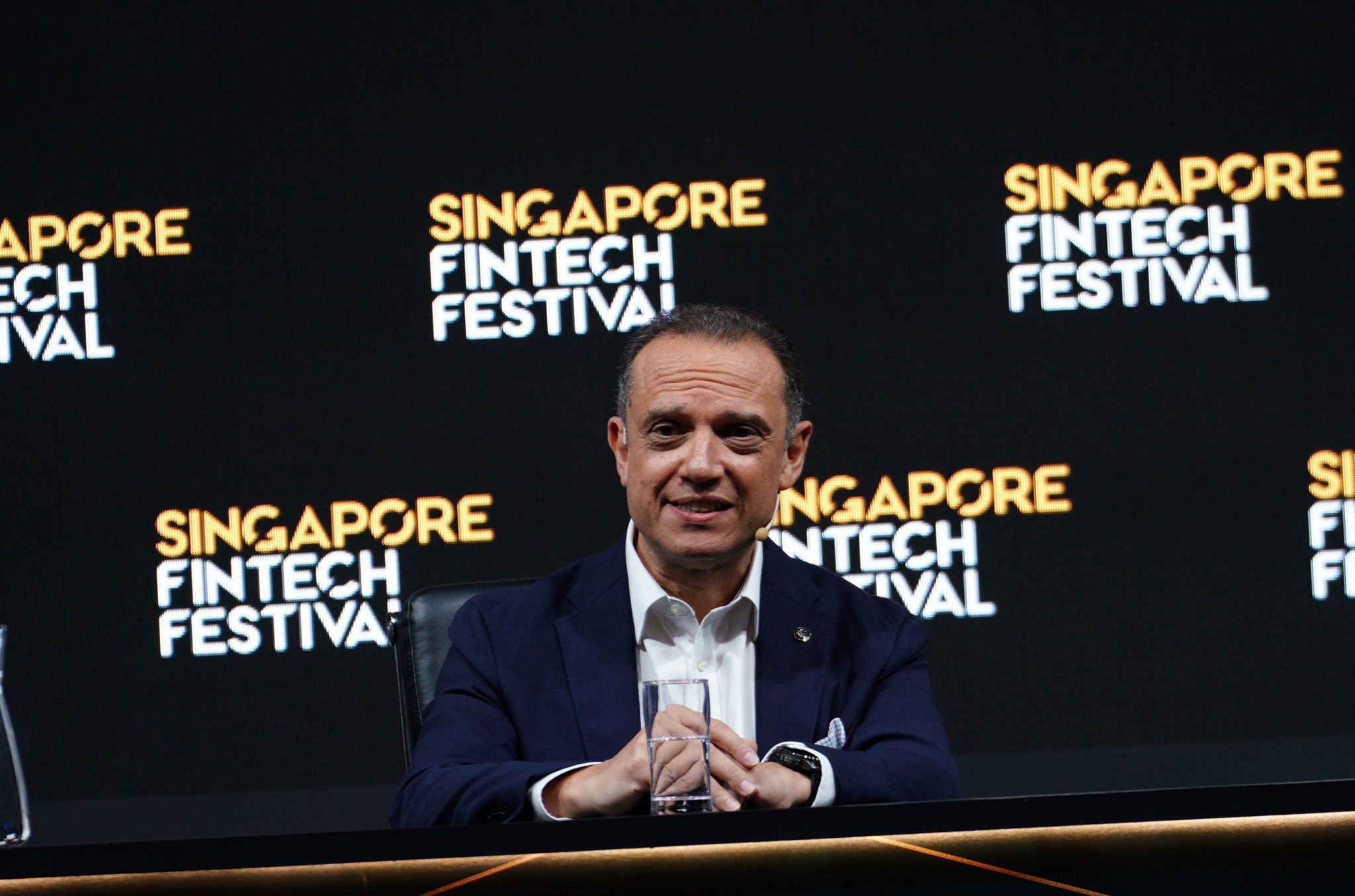
“Everybody overestimates the impact of new technologies at the beginning and underestimates their impact after a few years. I think AI is the same,” Giorgio Migliarina, chief technology officer at Maybank, told Fortune on the sidelines of the Singapore FinTech Festival. “Banking is based on trust, and you don’t want to put trust in jeopardy just to have a one-month acceleration” in productivity, he said.
Maybank is spending 10 billion Malaysian ringgit ($2.5 billion) over five years on technology, data and AI under its ROAR30 plan. Migliarina said the bank is using AI heavily internally, as assistants and recommendation engines for its staff. But it will not put autonomous agents in front of customers until they are “auditable” and “predictable.”
“We have proof of concepts, but we don’t want to rush [the rollout],” Migliarina explains. “It can’t be that if I ask agents the same question twice, I get two different answers—that still needs to be fine-tuned, and we will fine-tune it.”
While Migliarina is cautious about putting AI in front of customers, that doesn’t mean he’s wary about them in general. On Oct. 20, Maybank announced it would equip its Resilience Operations Centre—a hub that keeps the bank’s systems running—with AI tools from ServiceNow, applied across Maybank’s three main markets of Malaysia, Singapore, and Indonesia.
Migliarina explains that the upgraded ROC will use AI to identify early symptoms of wear-and-tear—which he compares to the flickering of a lightbulb—and preemptively prompt employees to take action to prevent the bank’s systems from going down. “With AI, we can filter through what constitutes normal activity and what really is the flickering of a lightbulb, i.e. small degradations which need to be considered,” he explains.
Before joining Maybank, Migliarina spent almost three decades working for telco giants like Vodafone and Telkom Malaysia.
But after decades of working in telecoms and banking, two heavily regulated industries, he now thinks executives need to approach AI with the mindset of a venture capitalist.
“If you are a VC, you put money in different start-ups, and some of them will have incredible returns that cover all the investment that you’ve done everywhere else,” he said. “AI pilots today are a little bit like that: You let a thousand flowers bloom, and when some flowers bloom bigger than others, you adjust your focus.”
Cyberattacks, too, are an emerging concern for Migliarina. In the last few months, financial institutions across Asia—including Japan’s SMBC Consumer Finance and South Korea’s Shinhan Bank, KB Kookmin Bank, and Hana Bank—have been hit by a wave of hacks suspected of being powered by AI. Cyberattacks, he said, are “changing in nature, and they are becoming very dynamic.” Every new fintech or payments partner, he says, widens the ground a hacker can reach.
Despite the challenges, Migliarina deeply enjoys his job. “If you think about [building] a regional supply chain for a business, there are many aspects that we can facilitate as banks,” he said. “[We can] facilitate the growth of ASEAN as an economic power in the world, and I think that is very exciting.”
And his north star? Gradual, yet meaningful technological change within the bank.
“It’s not a wait-and-see approach,” he concludes. “But it’s again not rushing and breaking things in the process.”
https://fortune.com/img-assets/wp-content/uploads/2026/11/55660309360_0ee14d2911_4k-e1795135067518.jpg?resize=1200,600
https://fortune.com/2026/11/19/maybank-pursuing-gradual-agentic-ai-rollout/
Angelica Ang





