
[
For three decades, the best-run supply chains held as little as possible. Just-in-time manufacturing, which brings in materials only as production needs them, kept warehouses lean and cash-free. The Iran war has made that thrift look like exposure.
Swiss packaging maker SIG Group is a clear case. Its inventory rose by about €80 million in the first half of 2026, and the company said it built part of that inventory on purpose.
“The inventory level increased as we intentionally built some safety stocks in response to supply chain uncertainties,” Ann-Kristin Erkens, then SIG’s CFO and now its CEO, told analysts on the company’s July 28 earnings call.
That is the shift running through corporate supply chains: from just-in-time to just-in-case, where having enough on hand matters more than holding as little as possible. Companies are paying to carry stock again, and the logic mirrors the Pentagon’s own resilience planning. The open question is whether it outlasts the war.
Why a packaging maker is carrying more stock
Mikko Keto, SIG’s CEO at the time, said in the company’s half-year results that the period was shaped by “the conflict in the Middle East creating uncertainty and disrupting global trade flows.” Costs for polymers, aluminum, and freight climbed as a result.
SIG passed much of that through. Keto told analysts the company’s surcharges offset higher costs and that the approach “has been successful in the first half of the year.” Adjusted EBIT margin rose 80 basis points to 15.6%, even though revenue grew just 0.8% at constant currency.
The buffer has a price. First-half free cash flow was still negative €32 million, though more than €100 million better than a year earlier, and analysts asked whether the extra stock was permanent. Erkens said it depended on how volatile markets stayed: SIG could work the inventory down by year-end or keep it where it was.
China shows just-in-case at national scale
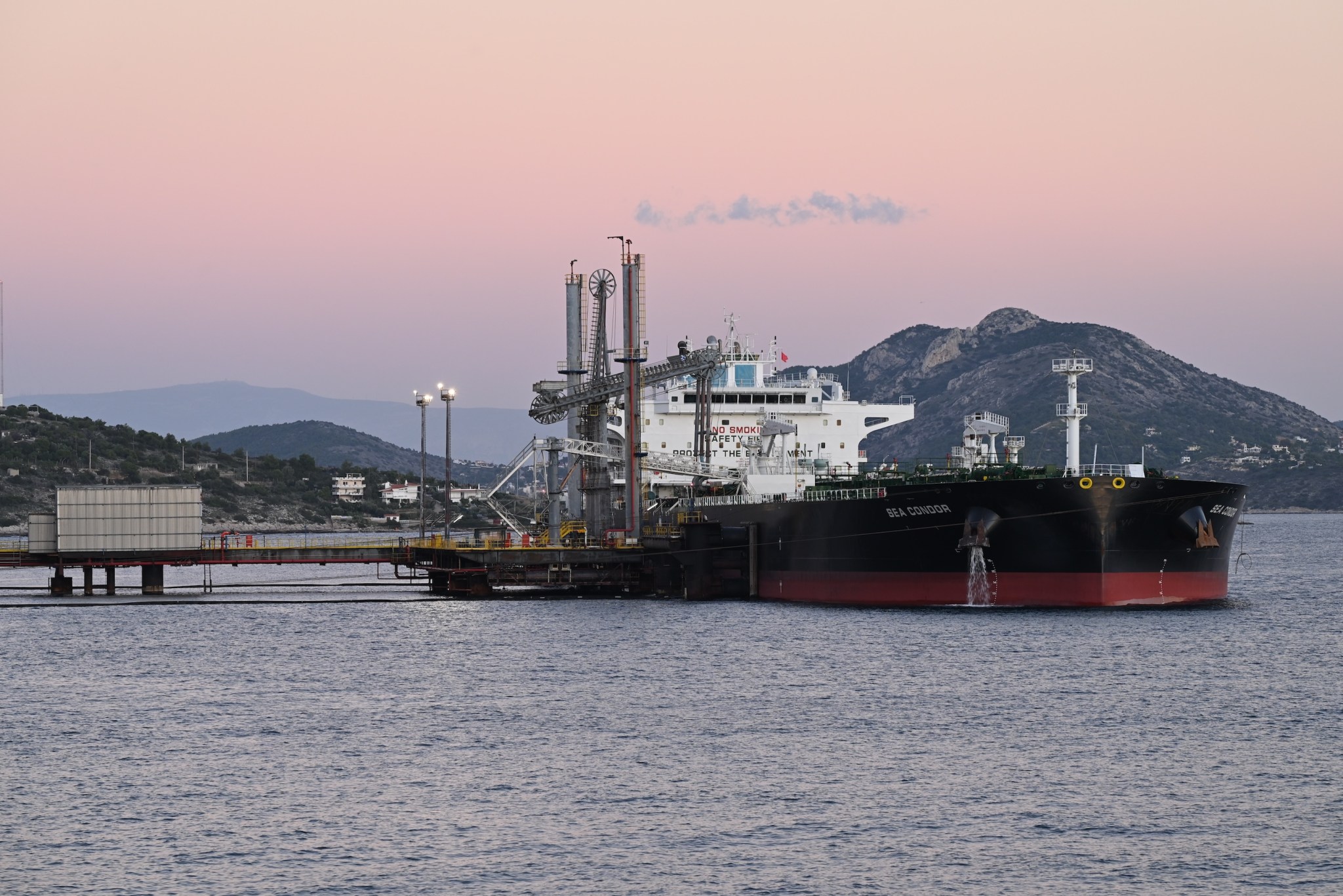
Much of the risk runs through one narrow channel. About 20 million barrels of oil a day moved through the Strait of Hormuz in 2025, roughly a quarter of the world’s seaborne oil trade, according to the International Energy Agency.
Oil markets have adapted better than feared. Traders now track and reroute tankers in real time, which one analyst called the “Amazon of oil,” and that has made physical inventories matter less to prices, Fortune reported in July.
The bigger cushion was a stockpile. China spent years building strategic oil reserves to record levels, which let it cut imports from more than 11.5 million barrels a day before the war to under 7 million by June. That drop in demand helped push crude below $70 a barrel in early July, though analysts warned Fortune that prices could climb back toward $90 once China resumes heavy buying.
Companies can’t match a national reserve, but many are trying. In an August BSI survey of supply chain professionals, 81% said their businesses were stockpiling or building strategic inventory buffers, or were about to. More than a third planned price increases within six months.
The Pentagon is running the same playbook
Washington is applying similar logic to its own bases. The Pentagon is developing a requirement that every major military installation in the continental U.S. can sustain essential operations on its own for at least 90 days, Fortune reported in October, citing internal planning documents from Fox News Digital.
The initiative, called FORTRESS, calls for strategic reserves of munitions, fuel, critical minerals, electronics, spare parts, and medical supplies. It would also require at least two qualified supply or production pathways for the military’s most critical dependencies.
The Pentagon hasn’t tied FORTRESS to Iran, and a military base and a carton plant face different stakes. But both price in the same risk: one broken link in a global network can stop operations cold.
The test is whether the buffers survive the end of the fighting. Erkens, who became SIG’s CEO in August, has since raised the company’s 2026 margin guidance to 16.0%-16.5%. SIG’s next marker is its full-year results, which will show whether it worked down safety stock or kept it. Companies that keep carrying it after the risk fades will have made just-in-case a standing cost of doing business.
https://fortune.com/img-assets/wp-content/uploads/2026/11/GettyImages-2306244087.jpg?resize=1200,600
https://fortune.com/2026/11/28/iran-war-companies-stockpile-just-in-case-inventory/
Heather Occhino





