
[
Every year, I’d get the same phone call. Same apologetic tone, same story: a generous donor calling to say they wished they’d done more this year. Their charitable plans had been buried, again, under everything that felt more pressing.
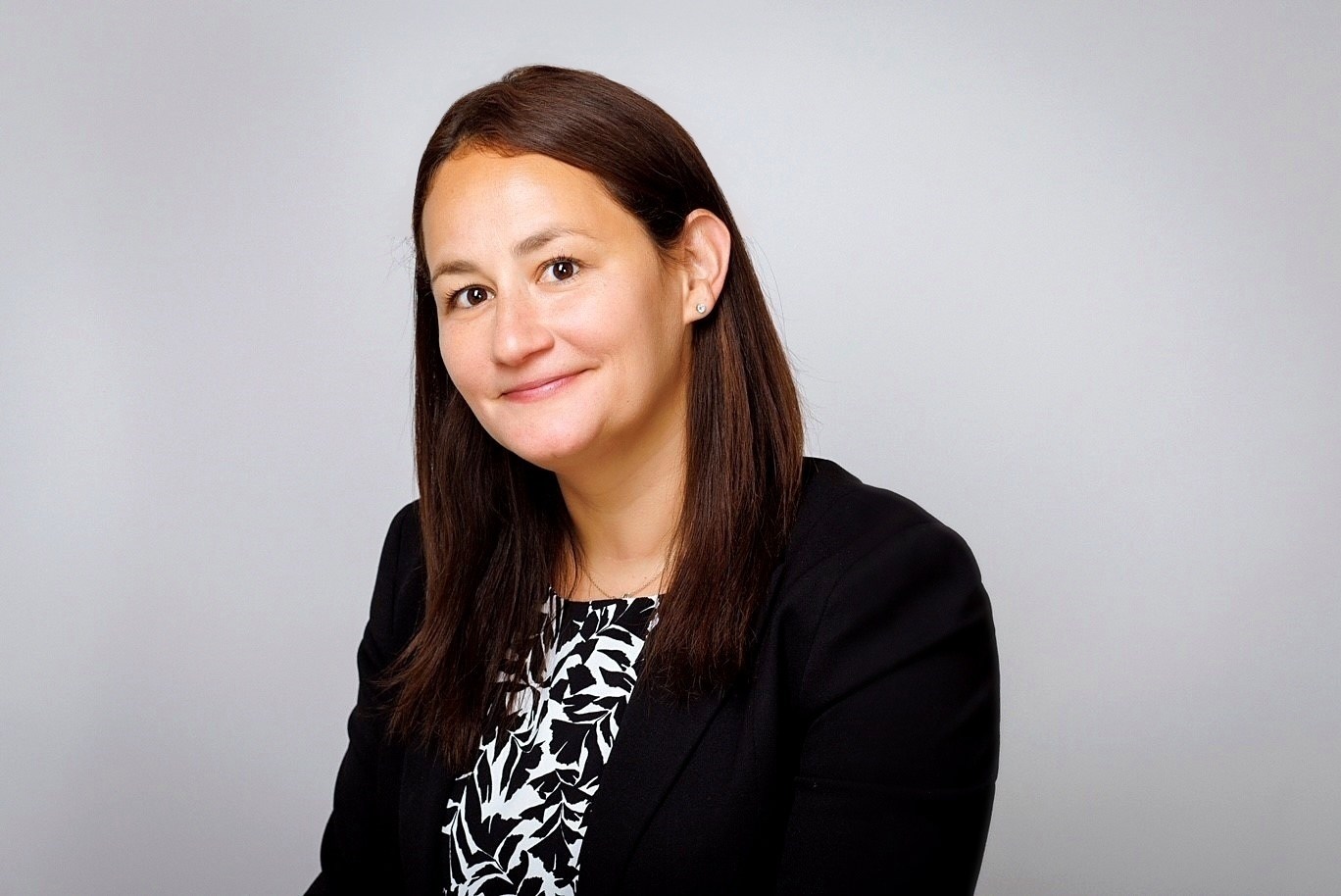
I took those calls for 20 years as a fundraiser at nonprofits serving children and families. I spent most of that time sitting across the table from donors, making the ask. Last year I left fundraising to become a philanthropic advisor, and now I’m the one sitting next to them.
In all those years of asking, what I saw over and over was generosity without direction. Donations followed whoever came calling. Donors told me they were tired of buying a table at a friend’s gala out of obligation, not because it fit their goals. Philanthropy was a core part of who they were, but many couldn’t tell me what it was supposed to accomplish.
That might sound like a private problem for wealthy families. It’s about to become a very public one. Cerulli Associates estimates that $124 trillion will change hands by 2048, most of it to heirs and roughly $18 trillion to charity. Yet the way so many families give — reactive, relationship-driven and year to year — isn’t built for impact on that scale. If nothing changes, the next generation will give exactly the way their parents did, only with far more money at stake.
More of what I raised than I’d like to admit was really given to a board member. A donor wrote a check because a friend or business associate on our board asked, and when that board member rotated off, the gift usually went too. Those donors hadn’t lost faith in our work. Their connection had been to the person, not the mission. That’s what giving without a plan looks like: the gift goes wherever the strongest relationship points. And the cost was real. Renovations to an after-school site were shelved, and families waited for services while we scrambled to replace the money.
The donors who stayed were the ones who had connected with the work for themselves. When someone visited in person, met the young people and understood exactly what their gift made possible, the relationship stopped running through the board member and started running through the mission. That connection had to be direct and specific to stick. But once it did, those donors outlasted any board term.
The risk is starkest at smaller organizations, often those closest to the communities with the greatest need. There, a single donor can make up a large share of the budget, and when that donor walks away, so does the money. Rebuilding a funding base one relationship at a time takes years, and many small organizations don’t have that time.
Multiply that across thousands of nonprofits, and it becomes a problem for all of us. When giving follows relationships instead of mission, money flows to the organizations with the best-connected boards, not necessarily the ones doing the work that matters most. Because gifts can leave with a single board member, even well-funded organizations can’t plan more than a year ahead. Staff spend their time replacing gifts instead of serving people, and kids wait longer for things they were already promised.
Meanwhile, hundreds of billions of dollars have already been set aside for charity. They just haven’t been given yet. Assets in donor-advised funds (DAFs), essentially charitable savings accounts where you deduct now and decide later, more than quadrupled in under a decade, to $326 billion in 2024. Many donors use them well. But because a DAF requires no payout and no plan, money can easily sit for years while the need grows.
Now that I work alongside donors, I understand why that money sits. They’re busy, they’re solicited constantly, and many worry about getting it wrong. So the money waits, and philanthropy stays on the back burner.
That caution is costly, because what nonprofits need most is the opposite. When donors asked what we needed, the honest answer was almost always the same: unrestricted dollars and trust in the organization’s leadership to put the gift where it is needed most. What I wanted to say, and rarely could, was: trust us. Don’t be afraid.
Fixing this must start with families, and with naming the problem honestly: generosity without a plan leaves the most vulnerable organizations exposed. It falls to today’s philanthropists to reshape the culture of giving for the families who come after them. That means bringing children and grandchildren into philanthropic decisions now, committing to multiyear, unrestricted support for the organizations they trust and treating a charitable plan with the same seriousness as an estate plan. Wealth managers, estate attorneys and DAF sponsors can help by asking every client whether they have a giving plan.
A giving plan can start simply, and it doesn’t mean contributing less. Every family can begin with a few questions. What values matter most to your family? Have you seen the work you’re funding? Which organizations do you trust enough to give general operating support? And do your kids know why you give, not just how much?
As a fundraiser, I used to feel a particular kind of joy after landing a hard-won major gift. Now I get to watch donors find that feeling for themselves, when their giving finally matches what they care about. Trillions of dollars are about to change hands. The families who pass down the “why” of their giving along with the “what” will leave an inheritance worth more than the money.
The opinions expressed in Fortune.com commentary pieces are solely the views of their authors and do not necessarily reflect the opinions and beliefs of Fortune.
This story was originally featured on Fortune.com
https://fortune.com/img-assets/wp-content/uploads/2026/11/headshot_full_final.jpg?resize=1200,600
https://fortune.com/2026/11/25/wealthy-donors-dont-lack-generosity-they-lack-a-plan/
Hilary Cramer Robinson





